
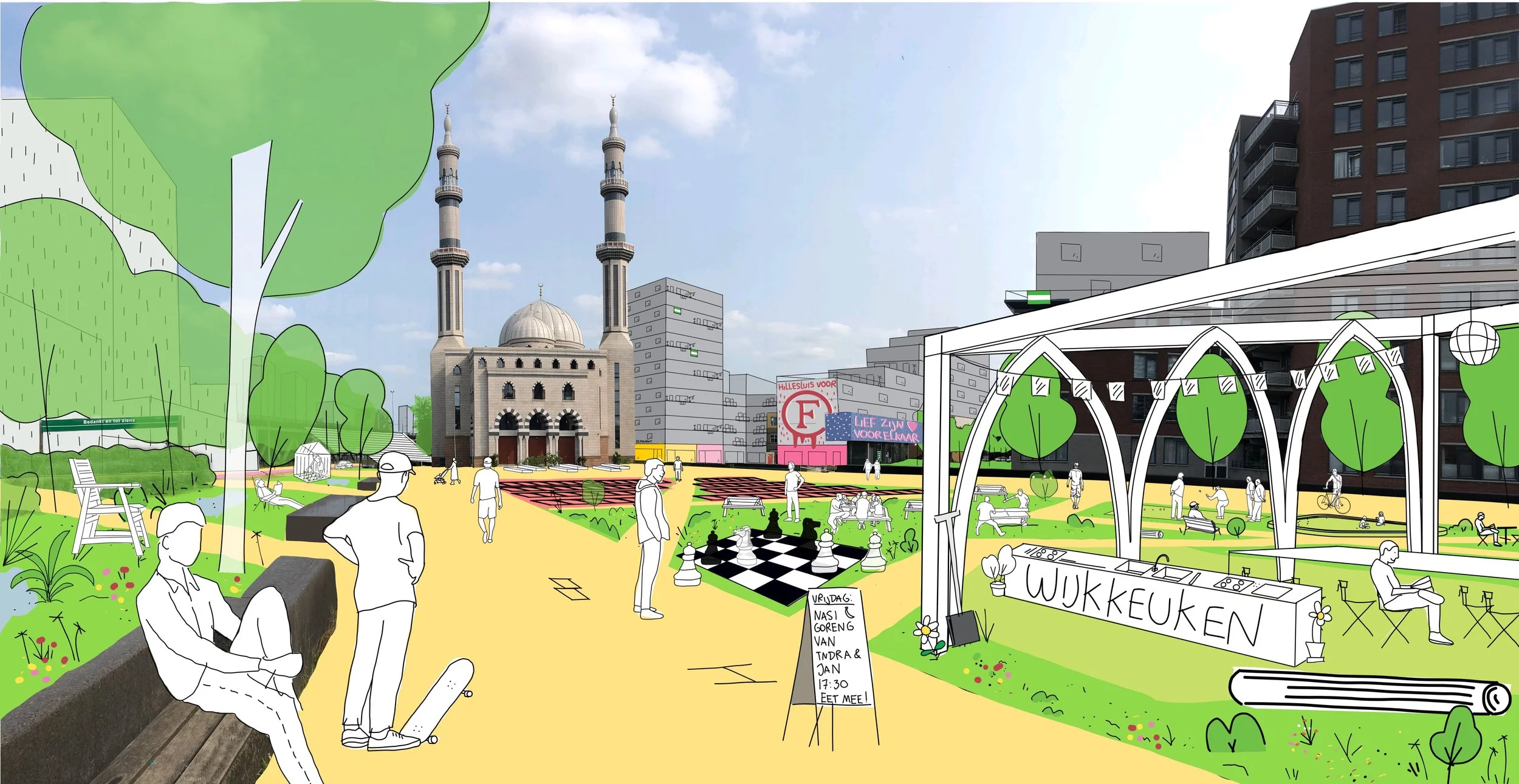
User Quality Plan of Hillesluis
Rotterdam, NL

Curbanism is a ‘user-centered’ research and design approach that places the lived experiences of residents at the core of urban development. The current use of spaces and the identity of a neighborhood or district are studied to map the qualities and challenges of an area. This is done in the area itself, through observation and capturing street photography. The insights gained, along with the visual material, spark a rich conversation about the planning area. The formal outcome of the method is a ‘User Quality Plan,’ which describes (design) principles and concrete challenges. When it comes to the urban (re)development of a neighborhood or district, this approach leads to plans that better build on existing qualities, resulting in greater ownership among residents. The impact of top-down interests can be more consciously weighed against local needs.
Graduation Project
Scale: Neighborhood/District
Client: Municipality of Rotterdam
Role: User centered designer & moderator
In collaboration with: Digital Urban Planning Lab, Alliantie Hand in Hand
Challenge: “How can we ensure that, in the urban (re)development of a neighborhood or district, the plans better build upon existing qualities and gain more ownership from residents?”

Impression of an urban design drawing lesson with elementary school children and my studio space in the neighborhood.
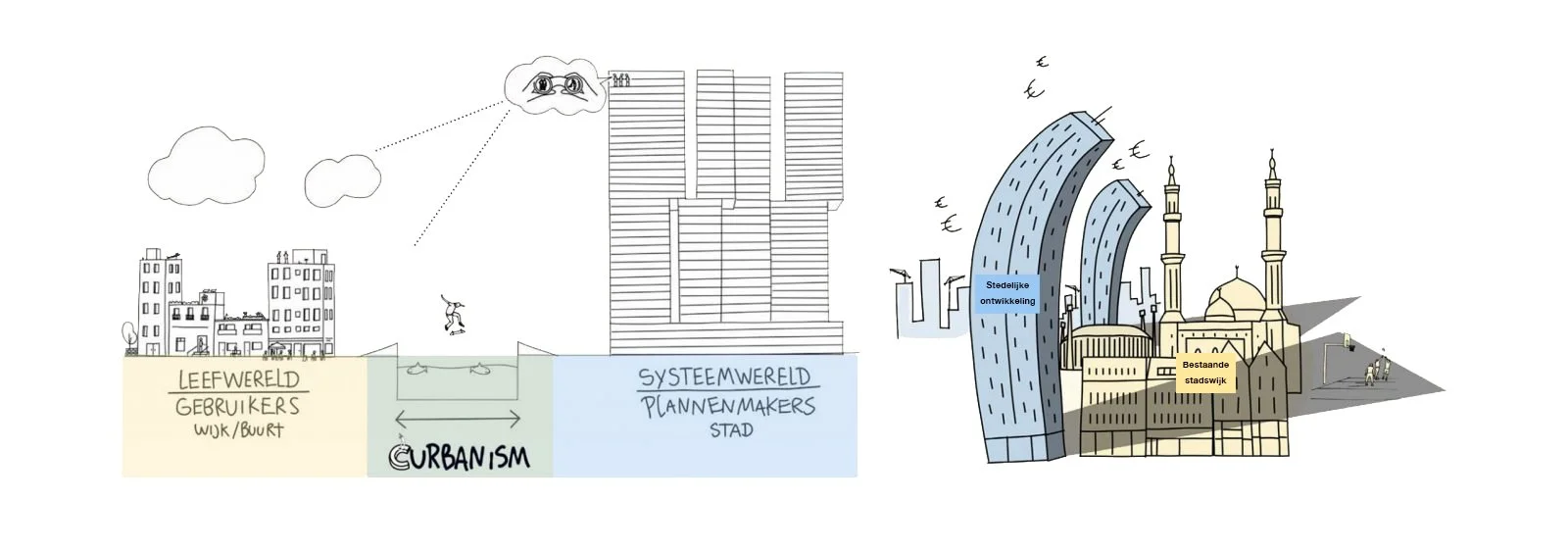
Conviction behind the project: The systemic world of planners is often too distant from the lived experiences of residents.
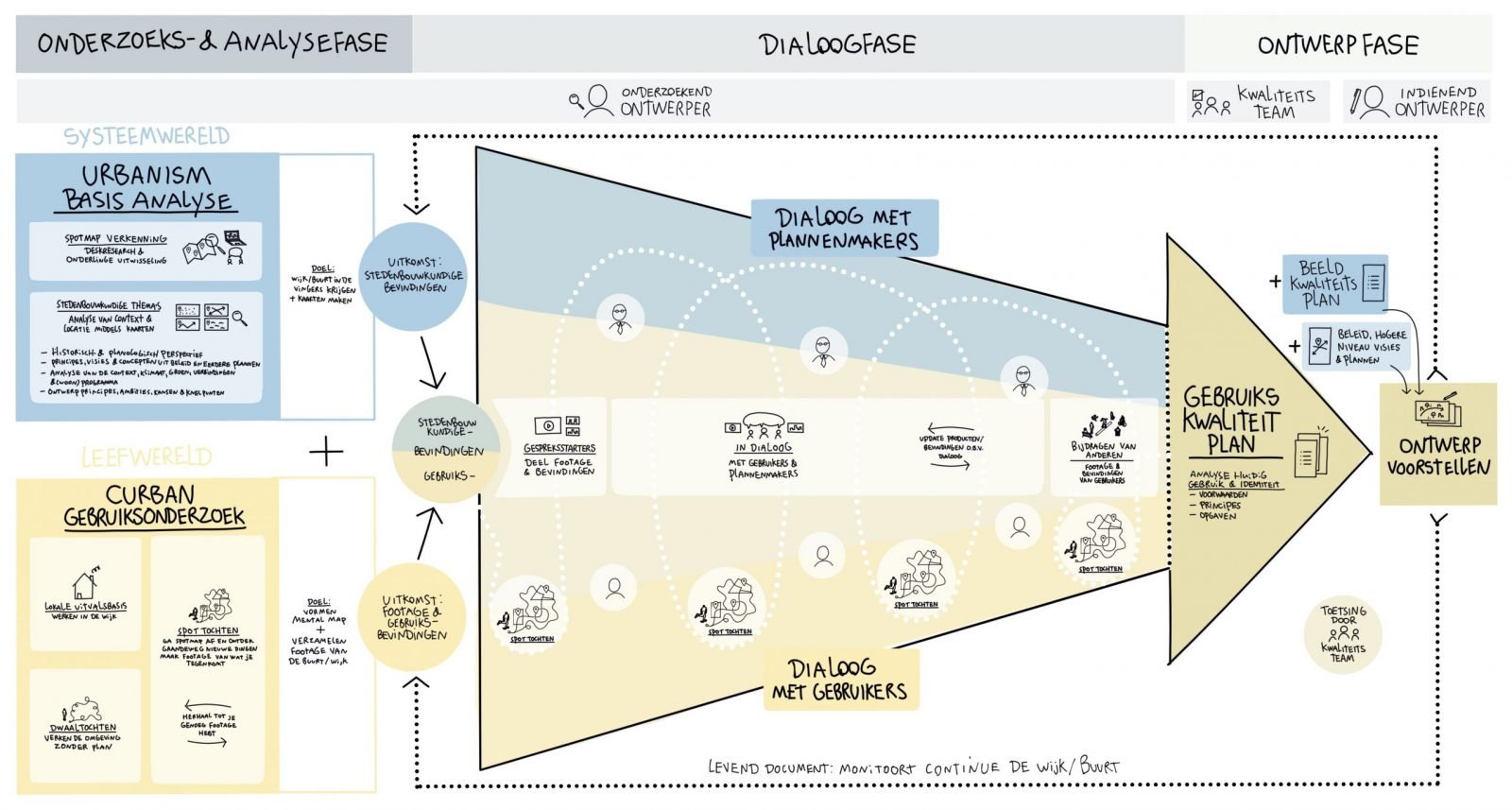
The Curbanism design approach illustrated in a diagram.
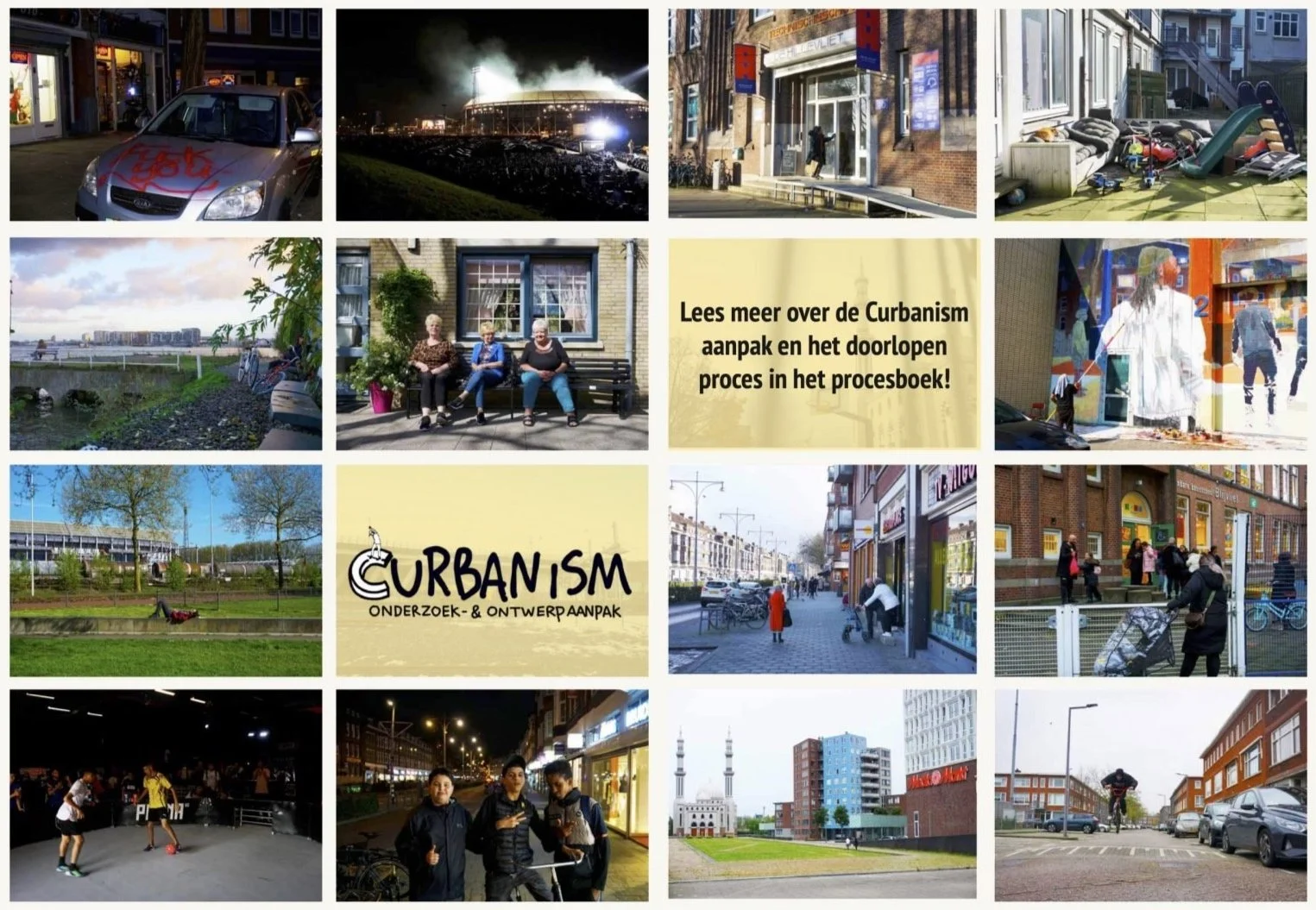
A key part of the design approach is capturing the identity and current use of the neighborhood in images & video.
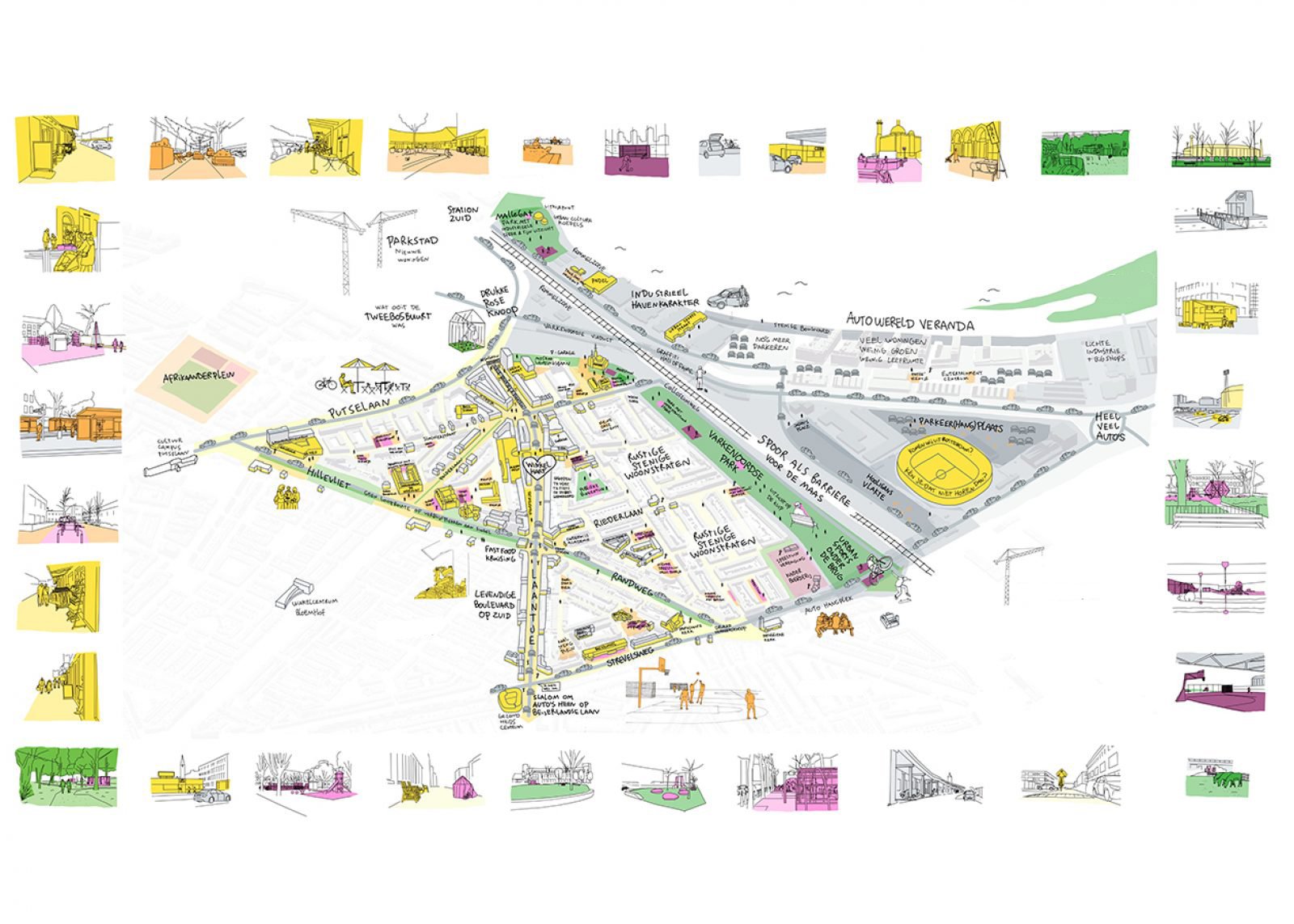
Findings on the identity and use of the neighborhood mapped out.
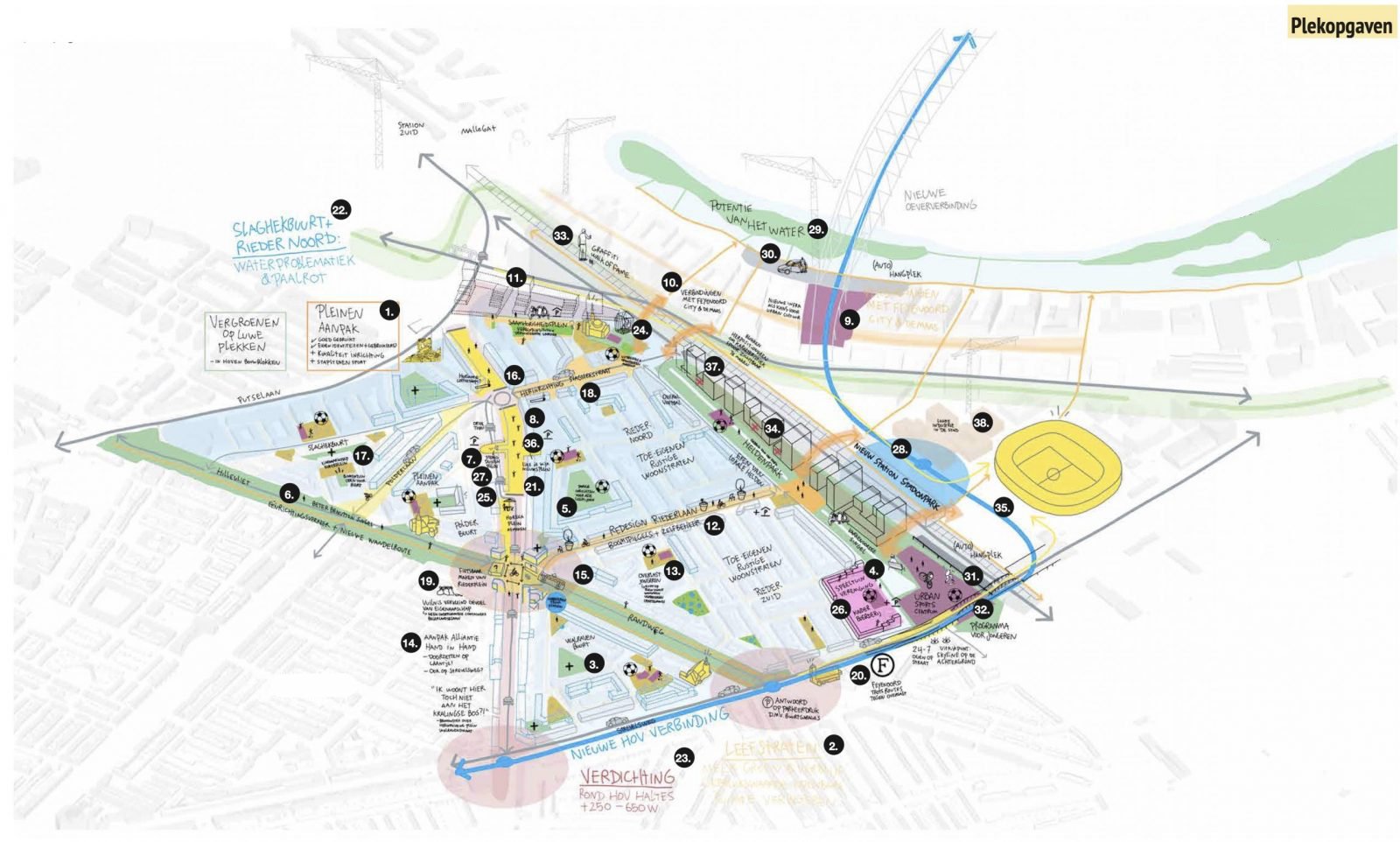
These findings ultimately lead to concrete challenges in the neighborhood.
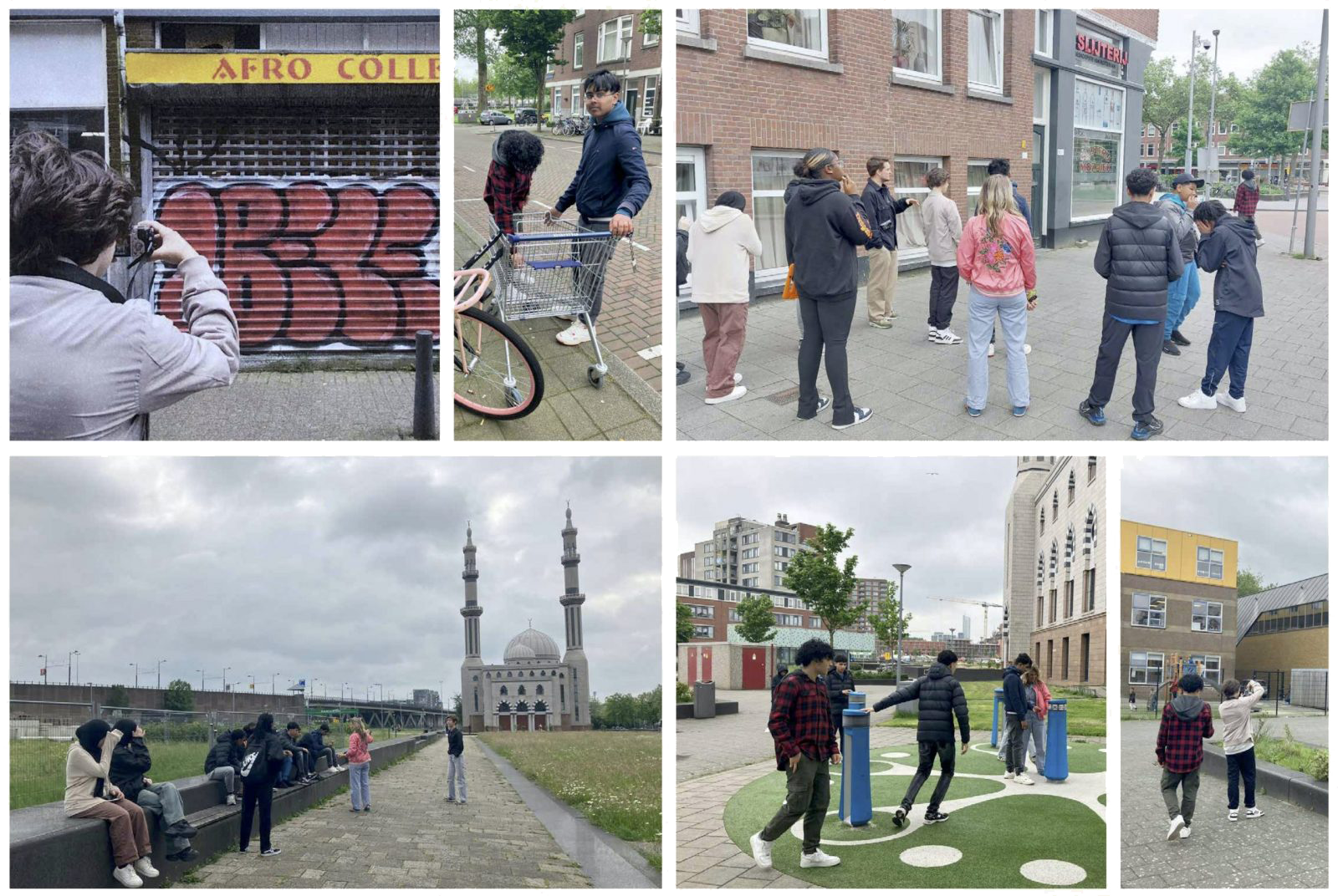

An important part of the design approach is gathering input from others. I have done this, among other ways, through a street photography workshop with students and an urban design drawing lesson with elementary school children.
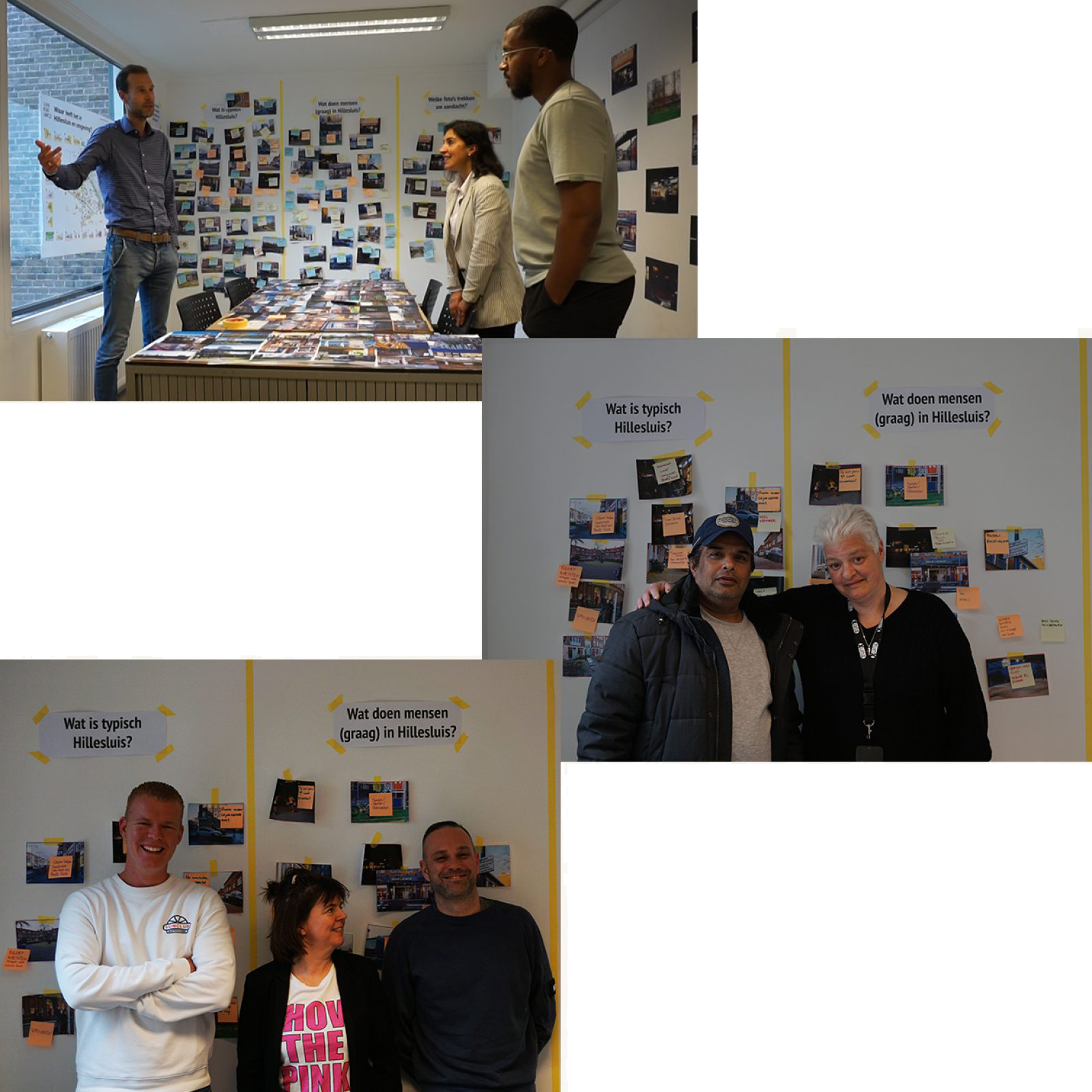
The findings are discussed in my studio space in the neighborhood, together with planners, community workers and residents to gather diverse perspectives on the neighborhood.
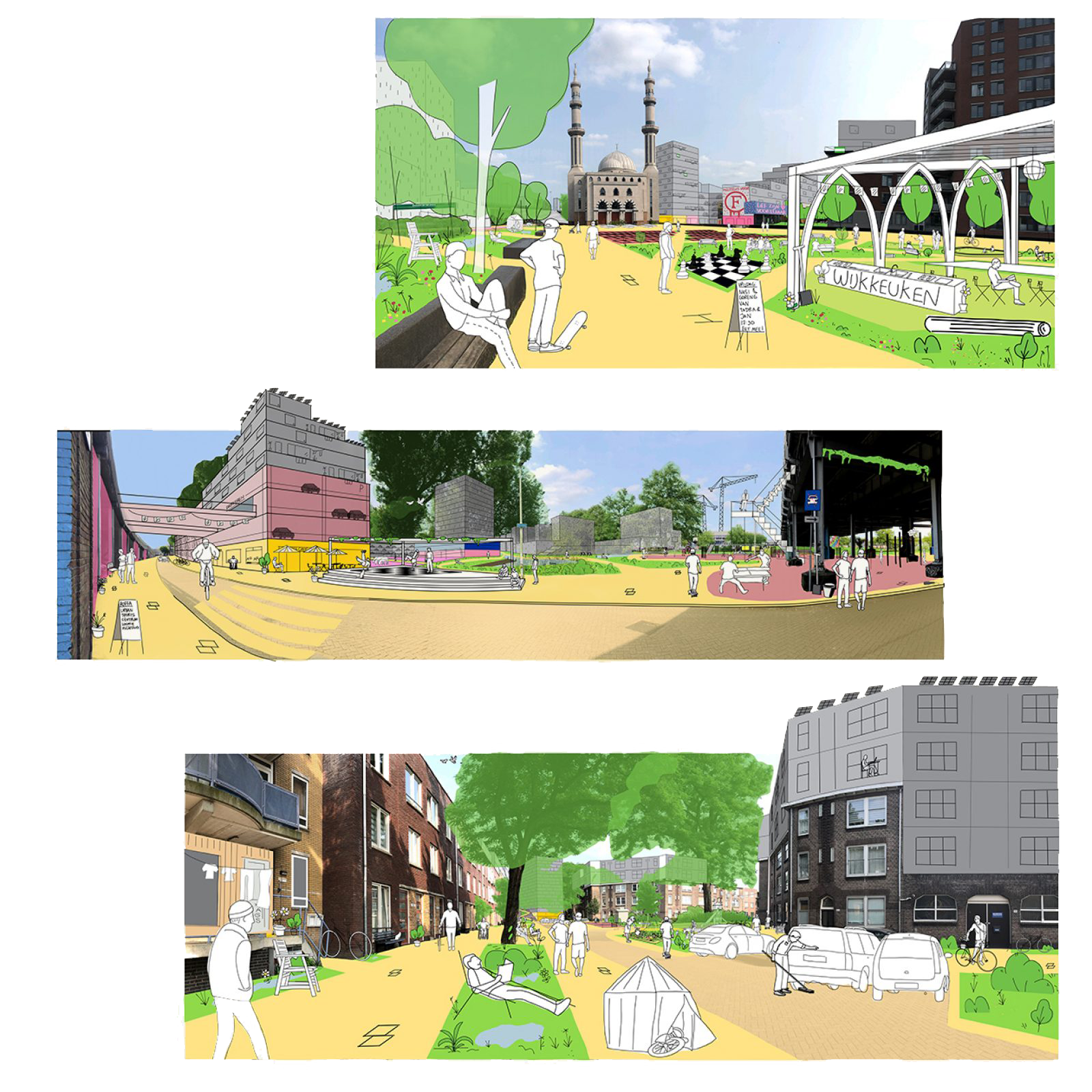
Final images of locations in the neighborhood after designing based on the desired use and the identity of the area.
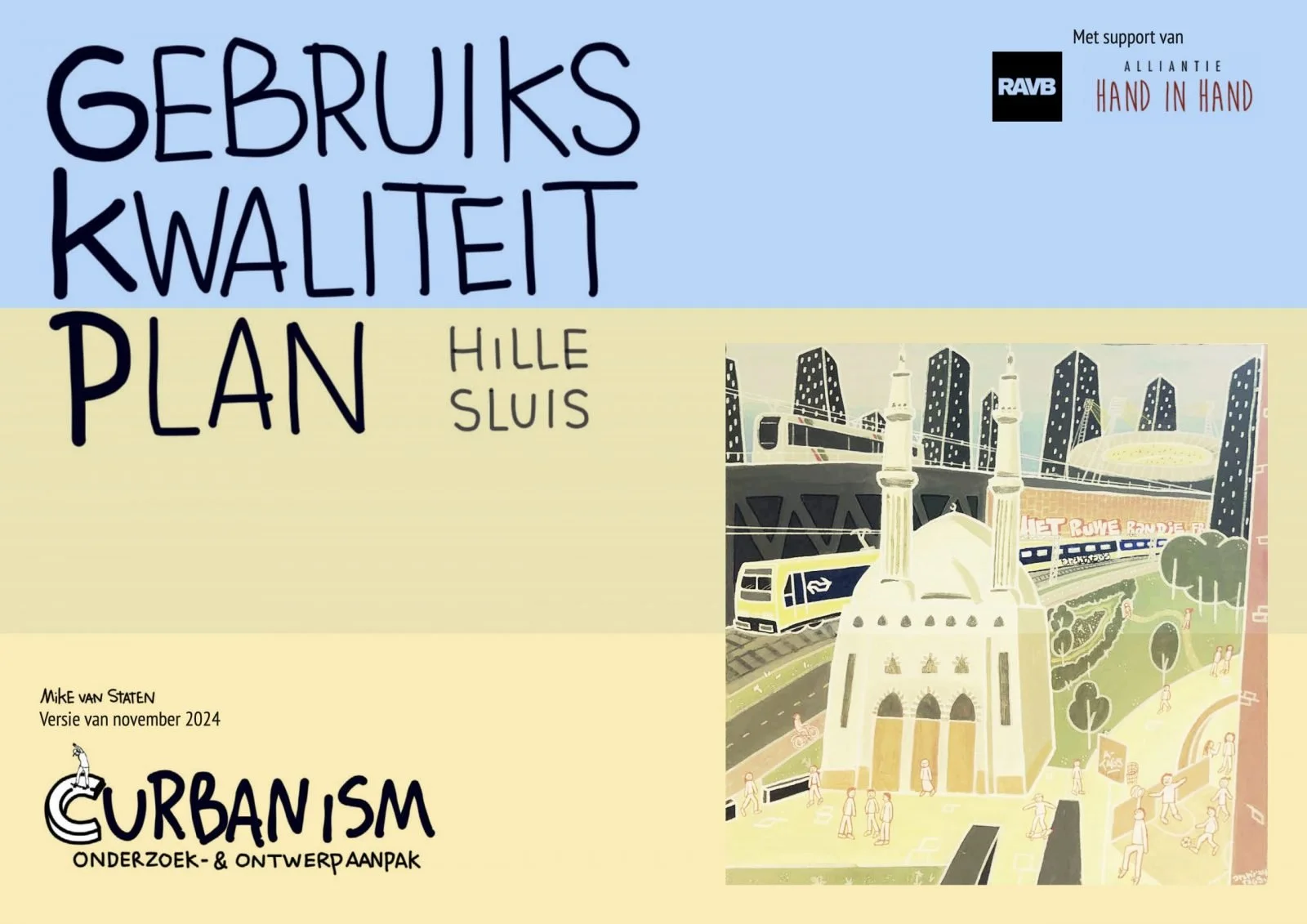
The outcome of the approach is the Use Quality Plan, in which challenges, principles, and goals for Hillesluis are outlined.